How to Stop Dreading Events - and Start Using Them to Build Community, Content, and Momentum
Corporate events get a bad reputation - and unfairly so.
In our personal lives, events are celebrations. They’re moments we look forward to. But inside companies, the word event often signals stress, logistics, and last-minute scrambling.
That disconnect is the real problem.
After hosting thousands of corporate meetings, offsites, and events over the past eight years, we’ve learned something important - events don’t fail because they’re boring. They fail because they’re planned reactively, without a system.
This video is the foundation of our Community Flywheel series - a practical guide to helping teams use events as repeatable tools for alignment, engagement, and growth.
Watch: Corporate Event Planning 101
Why Corporate Events Feel Hard (and How to Fix That)
Most corporate events are planned because someone suddenly says:
“We should do an event.”
That single sentence creates chaos.
When events are reactive, the organizer - often someone whose actual job is something else - is forced to juggle venues, catering, AV, guest lists, agendas, and expectations all at once.
The solution isn’t more effort.
It’s a mindset shift.
Reactive → Proactive
When you plan events proactively, you gain confidence.
When you gain confidence, events become easier - and more valuable.
The goal isn’t to create a perfect one-off experience.
The goal is to create repeatable, low-stress gatherings that your team actually looks forward to.
The Single-Vendor Principle
One of the biggest unlocks in corporate event planning is reducing decisions.
Every additional vendor multiplies complexity.
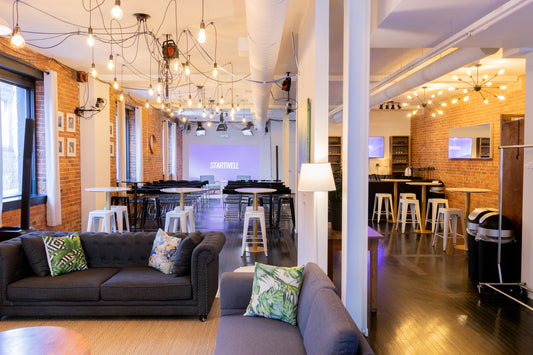
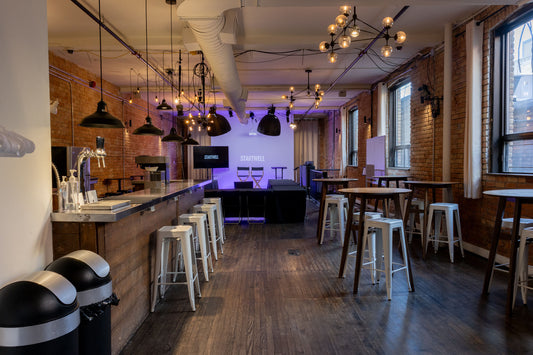
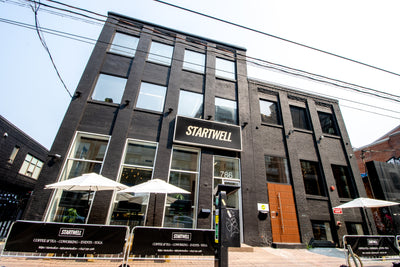
At StartWell, we built our campus around a single-vendor model - where space, hospitality, AV, recording, and post-production work together by design.
You don’t need to copy this exactly.
But you should look for ways to consolidate responsibility.
Whether that means:
- A venue with integrated AV
- A catering partner that also handles bar service
- An AV team that manages recording and post-production
- The fewer vendors you coordinate, the more energy you can put into content, people, and outcomes.
Internal Corporate Event Formats That Actually Work
Corporate events aren’t just “events” - they’re gatherings with intent.
Common internal formats include:
Executive Retreats - Small leadership teams stepping out of the office to think clearly, align, and plan - without the friction of travel.
Sales Kickoffs - Quarterly or seasonal alignment moments where teams refocus on goals, tools, and market realities.
All-Hands Sessions - Company-wide gatherings designed to share context, celebrate progress, and maintain momentum - whether in-person, hybrid, or clustered across locations.
Recurring Team Sessions - Standing weekly or monthly meetups that give distributed teams a consistent place to connect, collaborate, and co-create.
When internal events become predictable and recurring, they stop feeling like interruptions - and start functioning like infrastructure.
External Corporate Events as Community Builders
External events serve a different role.
They’re not just about messaging - they’re about belonging.
Common external formats include:
- Educational talks and panels
- Hands-on workshops
- Micro-conferences with multiple tracks
- Social meetups and industry gatherings
When you host these consistently, your brand becomes the social glue that brings a community together.
That’s where word-of-mouth, trust, and long-term brand equity come from.
Choosing the Right Room Layout
The room is part of the strategy.
Different goals require different layouts:
- Cocktail / open room - movement, mingling, short engagements
- Theatre style - focused learning and presentations
- Classroom style - hands-on training and software demos
- Banquet style - collaboration, workshops, and group exercises
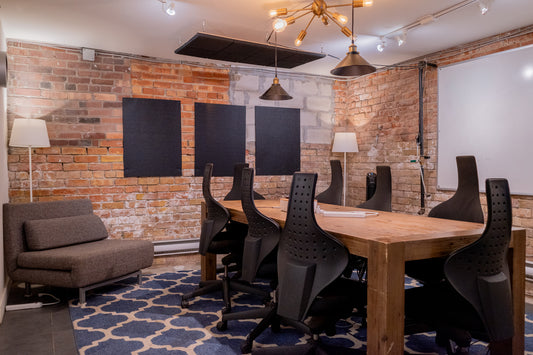
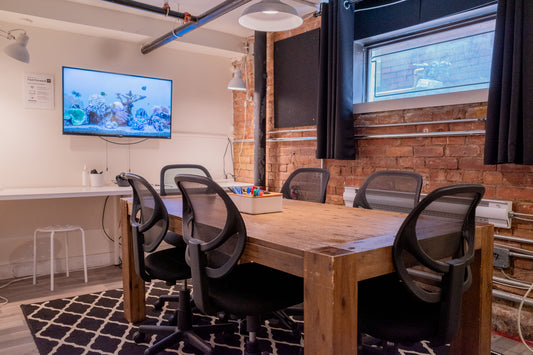
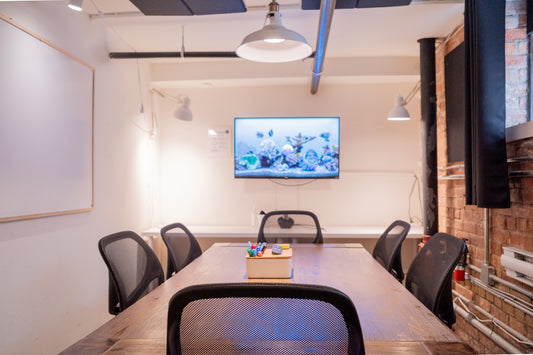
- Conference U or O - deep discussion, retreats, and leadership work
The best events minimize room resets and friction.
Ideally, spaces are chosen so the day flows naturally without constant reconfiguration.
Food, Energy, and Guest Experience
Food isn’t a detail - it’s fuel.
A few principles we’ve learned:
- Let guests handle breakfast when possible
- Keep lunches lighter and lower-carb to maintain energy
- Always include vegetarian protein options
- Provide snacks all day, not just at breaks
- Invest in good coffee and tea - it matters more than you think
Guests won’t remember every slide - but they’ll remember how they felt.
Events as Evergreen Content Engines
In 2026, events shouldn’t disappear when the room clears.
When you plan for media capture:
- Panels become short-form videos
- Audience insights become social clips
- Guest perspectives become shareable assets
This turns a single event into weeks of content - reinforcing the experience for attendees and creating FOMO for those who missed it.
Events become evergreen touchpoints, not one-day moments.
The Bigger Idea: Events Power the Community Flywheel
When logistics are simplified and formats are repeatable, something powerful happens.
You stop worrying about execution.
You start focusing on:
- Content
- Community
- Consistency
That’s how events evolve from obligations into flywheels - generating alignment, advocacy, and growth over time.
What’s Next?
This video is the foundation.
In upcoming episodes, we’ll go deeper into:
- The nuanced differences between internal event formats,
- What kinds of external events can help different business functions,
- The types of videos which all companies can leverage, and how to produce them easily at events you host,
- How to generate word-of-mouth by empowering your network of event speakers and attendees using content recorded at events they were part of,
- Actual case studies and playbooks you can run for your own company.
Bookmark this page.
Share it with teammates.
And if you want to explore how this works in practice, come spend a day with us by booking a venue at StartWell in Toronto :)